
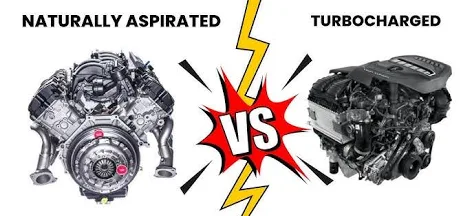
Turbocharged vs Naturally Aspirated Engines: Which is Better?
One of the biggest debates in the automotive world is whether turbocharged engines are better than naturally aspirated ones. Each has its strengths, and the right choice depends on your driving style and priorities.
What is the Difference?
-
Naturally Aspirated (NA) engines rely on atmospheric pressure to draw air into the engine
-
Turbocharged engines use a turbo to force more air into the engine, increasing power output
Advantages of Turbocharged Engines
1. More Power from Smaller Engines
Turbo engines can produce high power while maintaining smaller displacement.
2. Better Fuel Efficiency
When driven conservatively, turbo engines can be more efficient.
3. Strong Mid-Range Torque
Turbo engines deliver excellent pulling power, especially useful for overtaking.
Advantages of Naturally Aspirated Engines
1. Linear Power Delivery
Power builds smoothly without sudden surges.
2. Simplicity and Reliability
Fewer components mean fewer things can go wrong.
3. Better Sound and Driving Feel
Many enthusiasts prefer the natural engine sound and response.
Downsides of Each
Turbocharged Engines:
-
Turbo lag (delay in response)
-
More complex and potentially costly to repair
-
Higher thermal stress
Naturally Aspirated Engines:
-
Less power compared to turbo engines of similar size
-
Lower torque at low RPM
Which One Should You Choose?
-
Choose turbocharged if you want performance, efficiency, and modern driving dynamics
-
Choose naturally aspirated if you value simplicity, reliability, and smooth response
Final Thoughts
There’s no universal “better” option—it all depends on your needs. Turbocharged engines dominate modern cars for efficiency and emissions reasons, while naturally aspirated engines continue to win hearts for their purity and driving feel.