
How to Drive Properly to Avoid DPF, EGR, and AdBlue Problems
Modern diesel engines are equipped with emission control systems such as the DPF (Diesel Particulate Filter), EGR (Exhaust Gas Recirculation), and AdBlue (SCR system). While these systems are essential for reducing emissions, they can become problematic if the car is not driven correctly.
Understanding the Systems
-
DPF captures soot particles from exhaust gases
-
EGR recirculates exhaust gases to reduce NOx emissions
-
AdBlue (SCR) injects fluid to neutralize harmful gases
These systems are sensitive to driving habits—especially short trips and low-speed driving.
Common Causes of Problems
1. Frequent Short Trips
Short journeys don’t allow the engine to reach optimal temperature, preventing proper DPF regeneration.
2. Low RPM Driving
Constantly driving at very low RPM can lead to soot buildup.
3. Ignoring Warning Signs
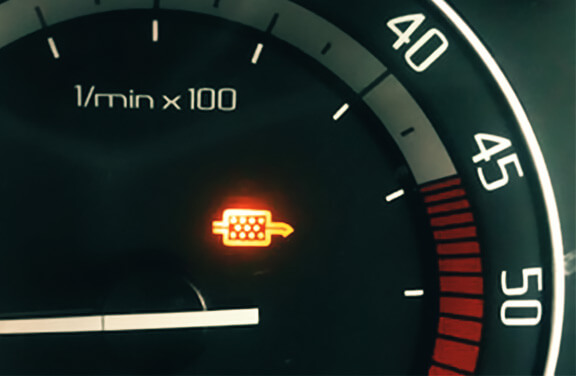
Dashboard warnings related to DPF or AdBlue should never be ignored.
How to Prevent Issues
1. Take Regular Long Drives
Drive on the highway for 15–30 minutes at higher speeds (around 2,000–3,000 RPM). This helps the DPF regenerate and burn off soot.
2. Don’t Drive Too Gently All the Time
While smooth driving is good, occasional higher RPM driving helps keep the system clean.
3. Use Quality Fuel and Fluids
Low-quality diesel or AdBlue can lead to deposits and system malfunction.
4. Allow Regeneration to Complete
If your car starts a DPF regeneration cycle (higher idle, fan running), don’t turn off the engine immediately.
5. Maintain Your Vehicle Regularly
Clean filters, proper oil, and timely servicing are essential for emission system health.
Warning Signs to Watch For
-
Loss of power
-
Increased fuel consumption
-
Warning lights on dashboard
-
Frequent regeneration cycles
Final Thoughts
Most DPF, EGR, and AdBlue issues are preventable. By adjusting your driving habits slightly, you can avoid costly repairs and keep your diesel vehicle running smoothly for years.